Poetry selection of the day·October 27, 2026
No. 01 — Verse
Latest Poems from Members
Fresh verses from the community
Latest Poems from Members
ECMNMEHDBBMBMAOAETETKDCEACRANİKEİKFYMGTFSGİYGTHKMBHKNÖAYFÇÖY
Gelmiyor Sesin
Emel Coşkun
Sen Gidersen Âh Müberra!
M. Nihat Malkoç
Nokta
Mehmet Emre
Değilim
Hayrullah Değerli
Sevdiceğim
Basri Bilgiç
Adımlık Mesafe
Mustafa Binol
İyileşenlerin Görkemli Mabedi
Metin Akdeniz
Selamını Gönder
Osman Akçay
Telefonkolik Dilber
Erhan Tığlı
Hep Yenildim Şu Nefsin Arzusuna
Enes Turgut
Neden
Kemal Doğanay
Yas
Canca Eryaşar
Hasret
Ahmet Can Hünerci
Ruhum Ruhuna Adanır
Ramazan Arpacı
Barağın Nazlı Gelini
Nihat İlikcioğlu
Adem Ol Ey Âdem
Kerem Eroğlu
Barakasız Konar Gece
İrfan Karabulut
Biraz Lokum Biraz Kolonya
Fatih Yılmaz
Karasal
Mehmet Gökhan Damar
Rukiye
Tacettin Fidan
Dünya En Çok da Çocukların Gözlerinde Yarım Kalıyor
Sevay Guel
Sessiz Çığlık
İrfan Yılmaz
Arafi
Gamze Tosyalıoğlu
Anlatamadıklarıma Sakladım Seni
Hülya Korkmaz
Senden Başka Nem Var ki
Muzaffer Boz
Yağmur Çiseliyor
Heidi Korkmaz
Benim Annem
Nurettin Önder
Dili Kürek Gibidir
Alptekin Yazar
Aşığınım Anlasana
Filiz Çelik
Kirpiklerimin Rüyası
Önder Yılmaz
No. 03 — Visual
Illustrated and Video Poems
Read through imagery and watch from the stage
Illustrated and Video Poems
Illustrated Poems
Illustrated Poems
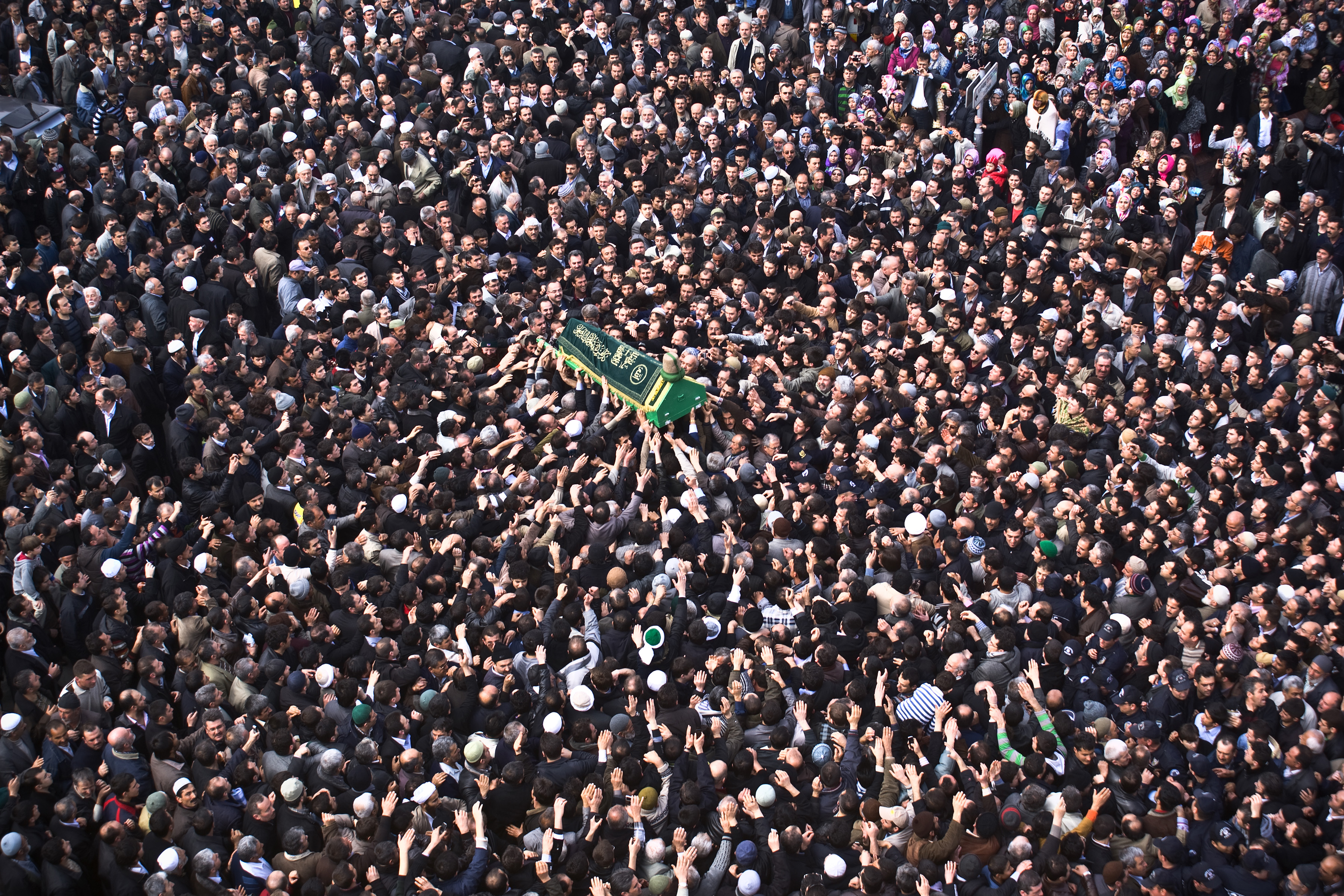
Ne devasa kuleler tutabildi
elimizden ne de çocukların
Adımlık Mesafe
MBMustafa Binol
Illustrated Poems
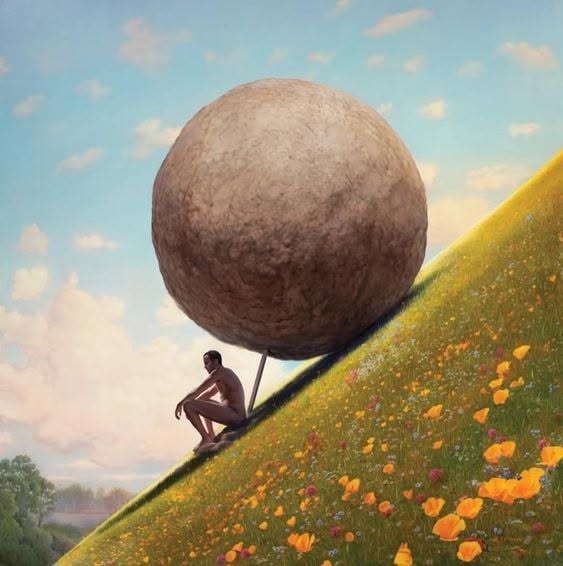
(Sen ve ben acıdan bir dağız, sen ve ben
bu dünyada bir daha hiç karşılaşmayacağız.
İyileşenlerin Görkemli Mabedi
MAMetin Akdeniz
Illustrated Poems
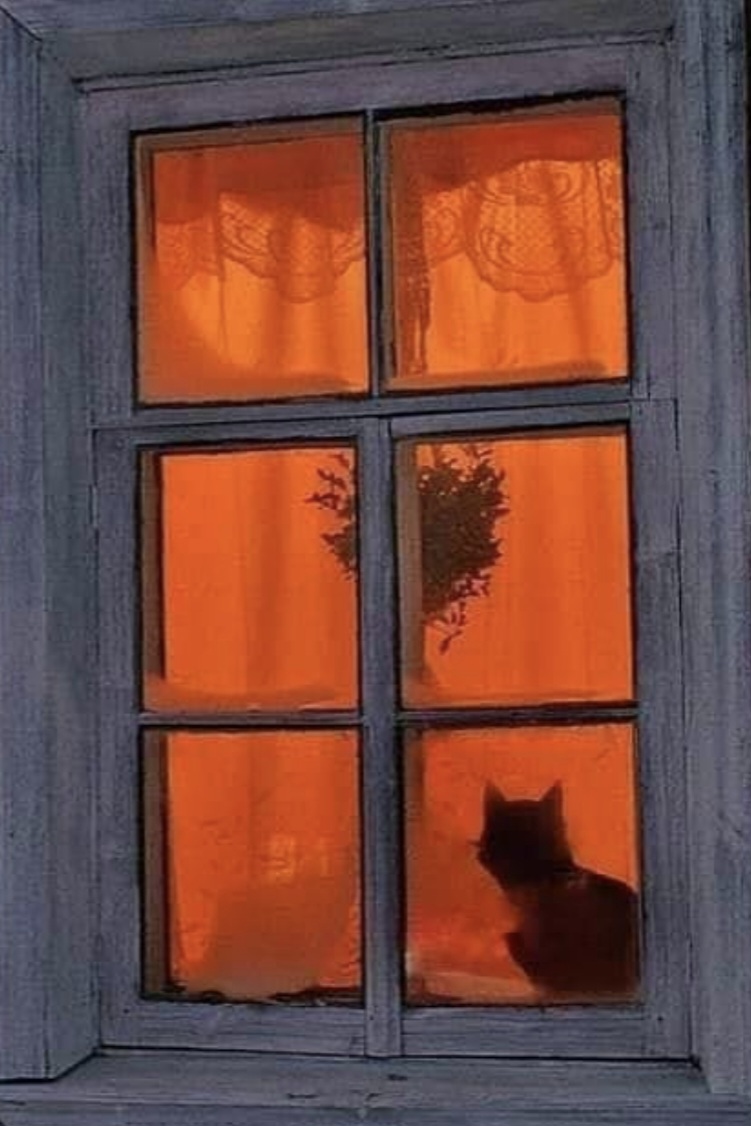
Gece yağar gaz lambasına
Bide kar tutar paltosu babamın
Barakasız Konar Gece
İKİrfan Karabulut
Illustrated Poems
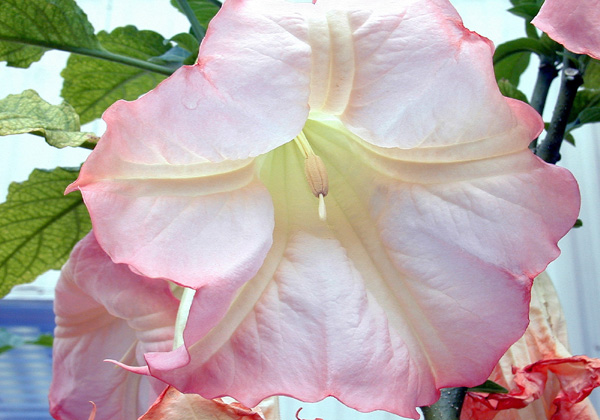
Portakal almışım, bal mı zehir mi?
Afiyet ola!
Rukiye
TFTacettin Fidan
Illustrated Poems
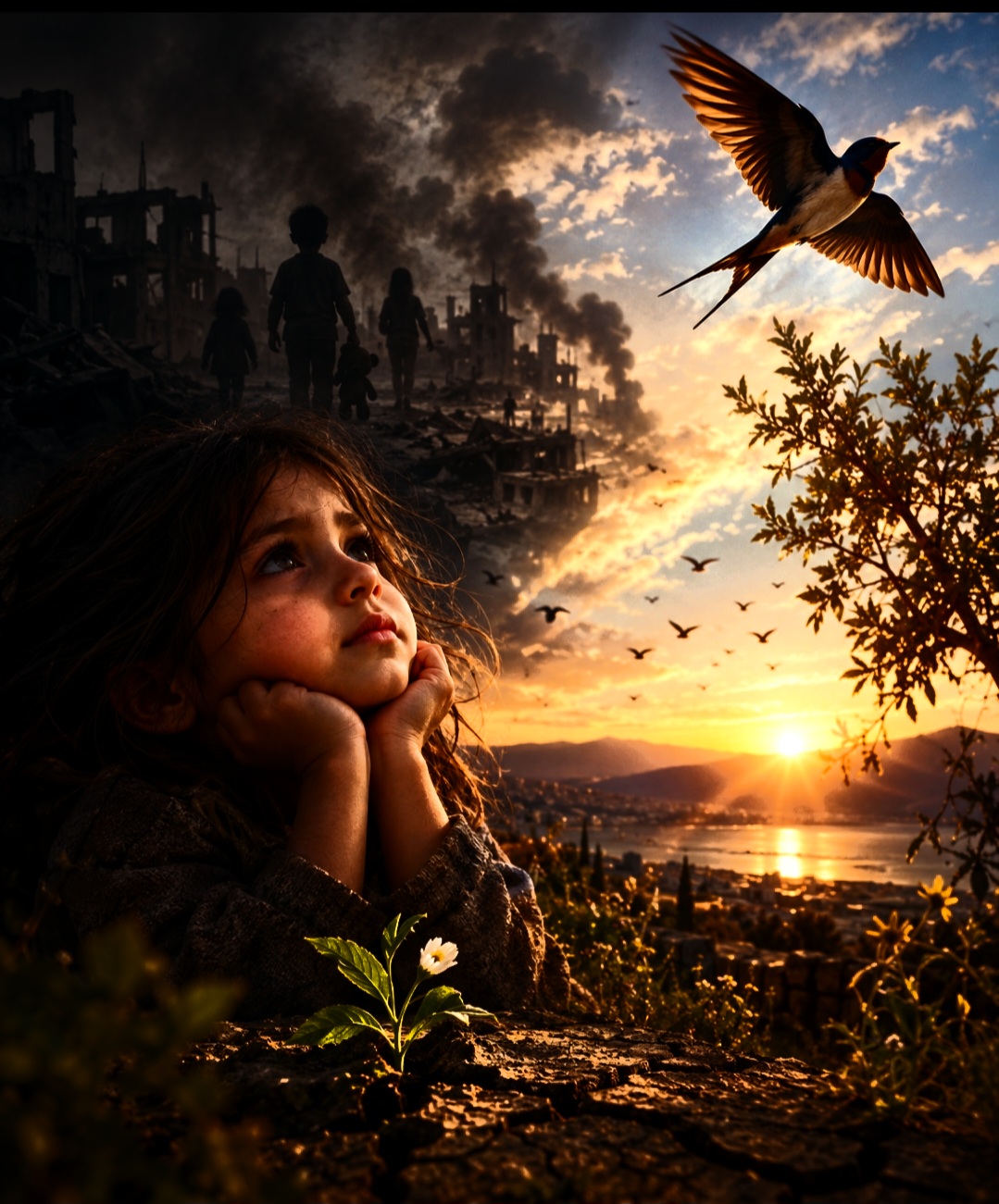
Ahh Kuşlar cıvıldardı eskiden
Ve Dünya
Dünya En Çok da Çocukların Gözlerinde Yarım Kalıyor
SGSevay Guel
Illustrated Poems
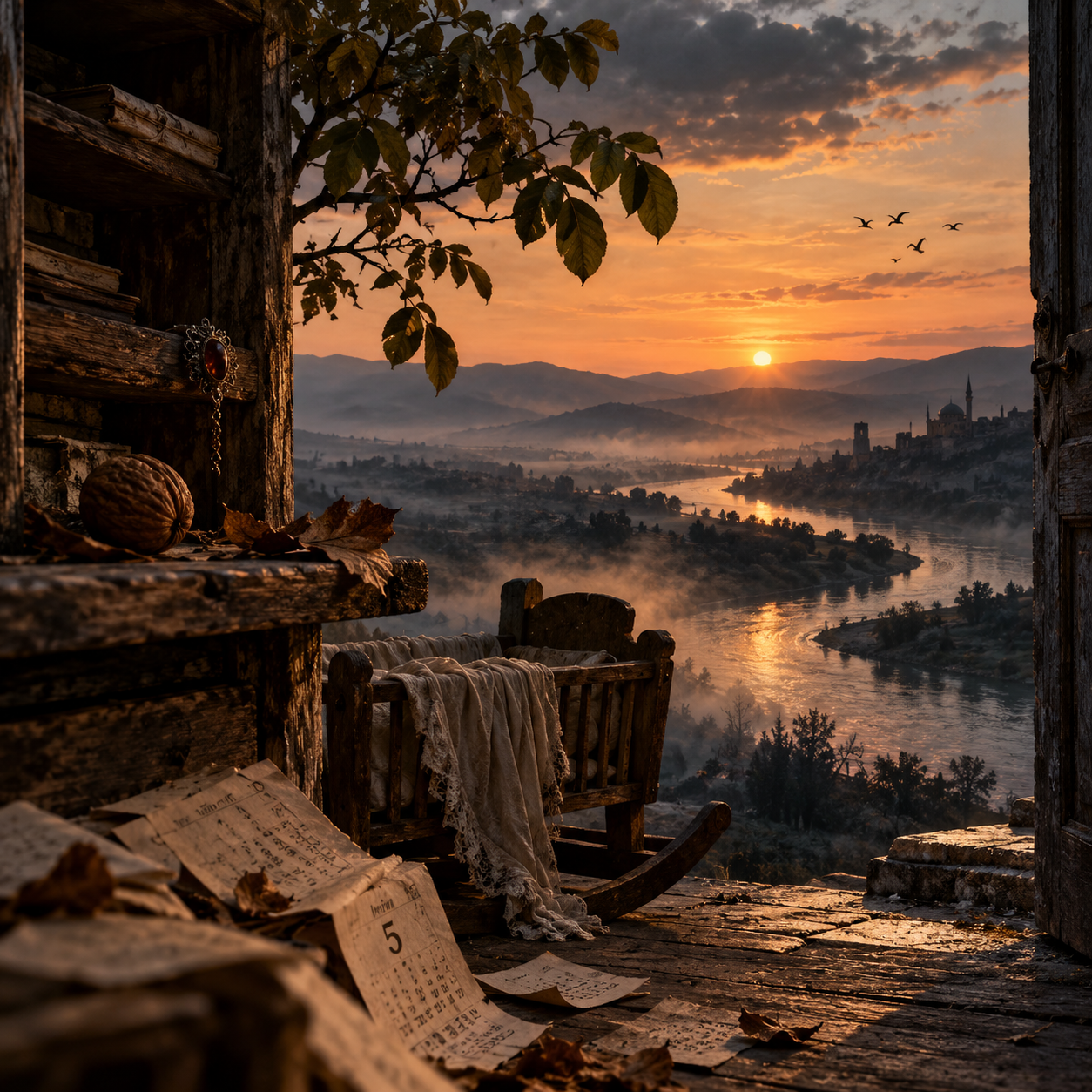
Yaşamla ölüm arasında bir yerde arafta,
Ceviz ağacı, eski bir rafta sakladım umutlarımı.
Arafi
GTGamze Tosyalıoğlu
Video Poems


Write Poetry
Let your voice turn into verse
Share your first poem and join a community of readers and poets.
No. 04 — Guide
Reading and Writing Poetry on Edebiyatla
A short guide to the poetry page and its community
Poetry is the literary form that gives feeling, thought and imagery their most concentrated expression. Edebiyatla's poetry page is a living archive of hundreds of thousands of poems, from love poems and poems of parting and longing to verses about nature, homeland, the city and everyday life. Here you read first-time amateur poets and seasoned voices in the same stream.
This page is the door to a poetry community that began with Şiirkolik.com in 2001 and continues on Edebiyatla a quarter of a century later: new poems arrive every day, the selection of the day is renewed and readers talk with poets line by line. The guide below explains briefly how to read and write poetry on Edebiyatla.
Poem of the Day and Latest Poems
At the top of the page sits the poem of the day, chosen by our editors from the poems the community has shared; the previous day's selection stays beside it, so you can easily return to a poem you missed. A selected poem carries a selection-of-the-day badge on its own page.
The Latest Poems from Members section lists the community's newest poems with one poem per poet, so new voices are as visible as established ones. To see every new poem in date order and search by poem, line or poet, use the latest poems page.
Poems by Theme
The poems on Edebiyatla gather around themes such as love, parting, longing, friendship, mothers, homeland, nature, death and hope. From melancholy poems to short, meaningful ones, from verses written for special days to philosophical poems, you can find the feeling you are looking for through these themes and through the poets' profile pages.
In the illustrated and video poems section you discover poems paired with an image or a scene, and some poems can be listened to as audio poems read in the poet's own voice.
Poetic Forms and Genres
Turkish poetry draws on three main traditions of metre and form: folk poetry written in syllabic metre (koşma, mâni, türkü, destan), Divan poetry built on the aruz metre (gazel, kaside, mesnevi, rubai) and free verse, which the Garip and İkinci Yeni movements opened up in the twentieth century. You find examples of all three on Edebiyatla; most members write free verse, yet traditional forms built on syllable count, rhyme and redif live on.
By subject and voice, poetry divides into lyric poetry that foregrounds feeling, epic poetry that tells of heroism, didactic poetry that sets out to teach, pastoral poetry about nature and rural life, satirical poetry that criticises and dramatic poetry written for the stage. You can meet the masters of these forms in author biographies and place them in literary history with the today in literature calendar.
Writing and Sharing Poems on Edebiyatla
To write poetry, a free membership is all you need. Once your account is verified and your membership approved, open the write a poem page, add a title, the poem text and a short description, and publish. You can also add a cover image, a supported video link or a reading in your own voice, and schedule publication for a later date.
You can edit a published poem from the studio and, if needed, unpublish it and publish it again later. Readers can like and save your poem and follow you to see your new poems in their own feeds; all of your poems are gathered in one list on your profile page.
A Community for Poetry Readers
Edebiyatla is not only a poetry archive but a literary community that brings readers and poets together. Save the poems you love into folders, follow poets, select a single line and comment directly on it, and join discussions about poetry in the forum.
Alongside poetry, short stories and essays, literary word games that test your vocabulary, and the selection of the day at the top of the page bring you a new read every day.
Frequently asked questions about poetry
Can I share poetry on Edebiyatla?
Yes. After you sign up for free, verify your account and your membership is approved, add a title, description and poem text on the poem writing page to publish your poem.
Do I need an account to read poems?
No. Poems on Edebiyatla are public and can be read without an account. Membership is needed to write poems, comment, like, save and follow poets.
How are poems listed?
Published poems appear in the relevant feeds based on recency, content type, category and community activity. The Latest Poems from Members section shows one poem per poet; every new poem is listed in date order on the latest poems page.
How is the poem of the day chosen?
Our editors choose the poem of the day from the poems the community has shared; the selection is published at the top of the page on its day and shown with a selection-of-the-day badge on the poem's own page. The previous day's selection stays on the page as well.
Can I publish illustrated, video or audio poems?
Yes. You can add a cover image or a supported video link to your poem and, if you like, upload a reading in your own voice. Illustrated and video poems are also listed in their own sections on the page.
Can I edit a poem after publishing it?
Yes. Open your poems from the studio to edit the title, text and description, and unpublish or republish them when needed. The original publication date of a published poem does not change.